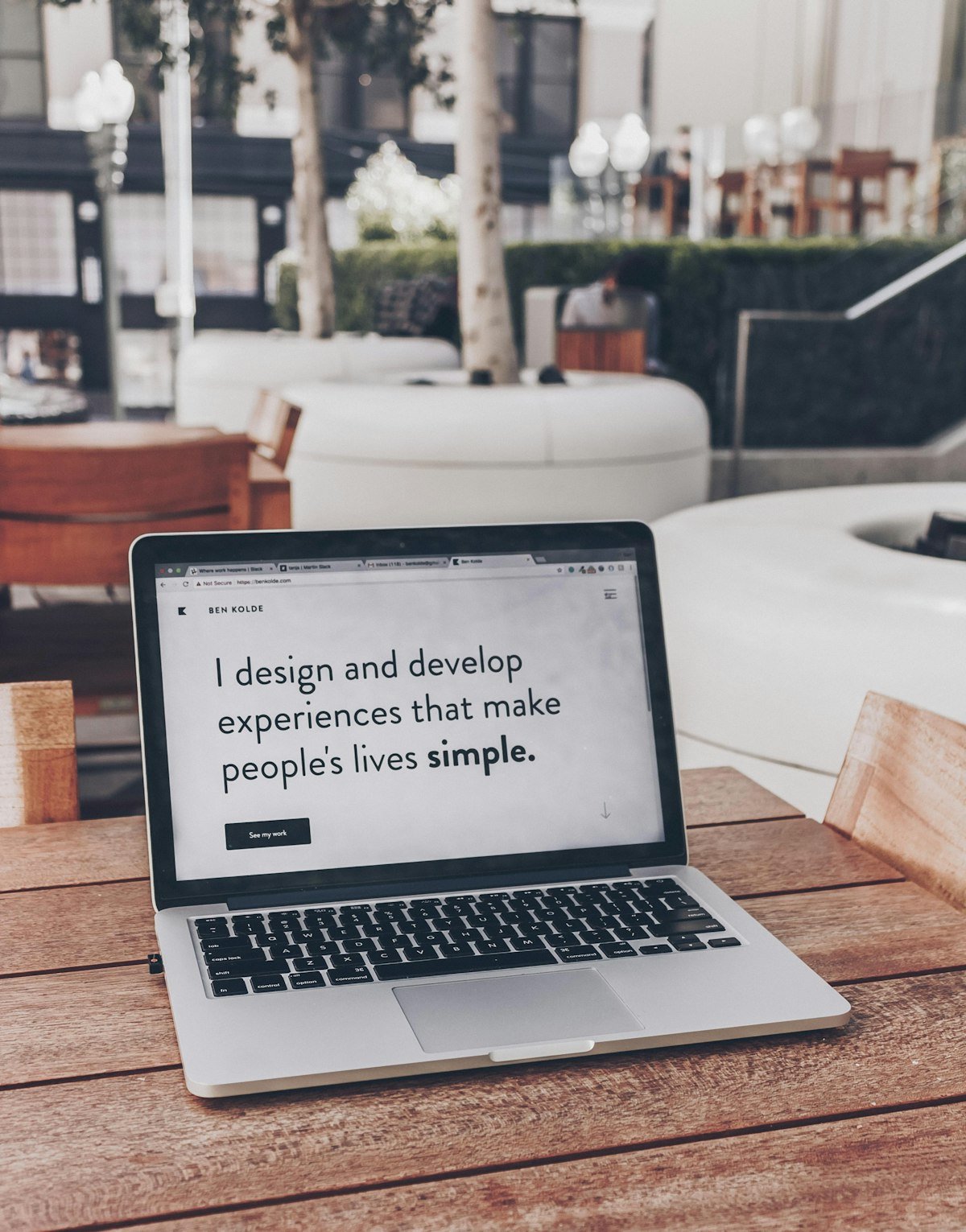
Your portfolio website has one job: convince the right people to hire you. Not impress other designers. Not win awards. Not showcase every project you’ve ever touched. Convince the people who pay for your services that you can solve their problem.
I’ve been reviewing portfolios for years, both when hiring and when auditing competitors. The good ones all share a few things in common. The bad ones all make the same mistakes.
Show the work, but tell the story
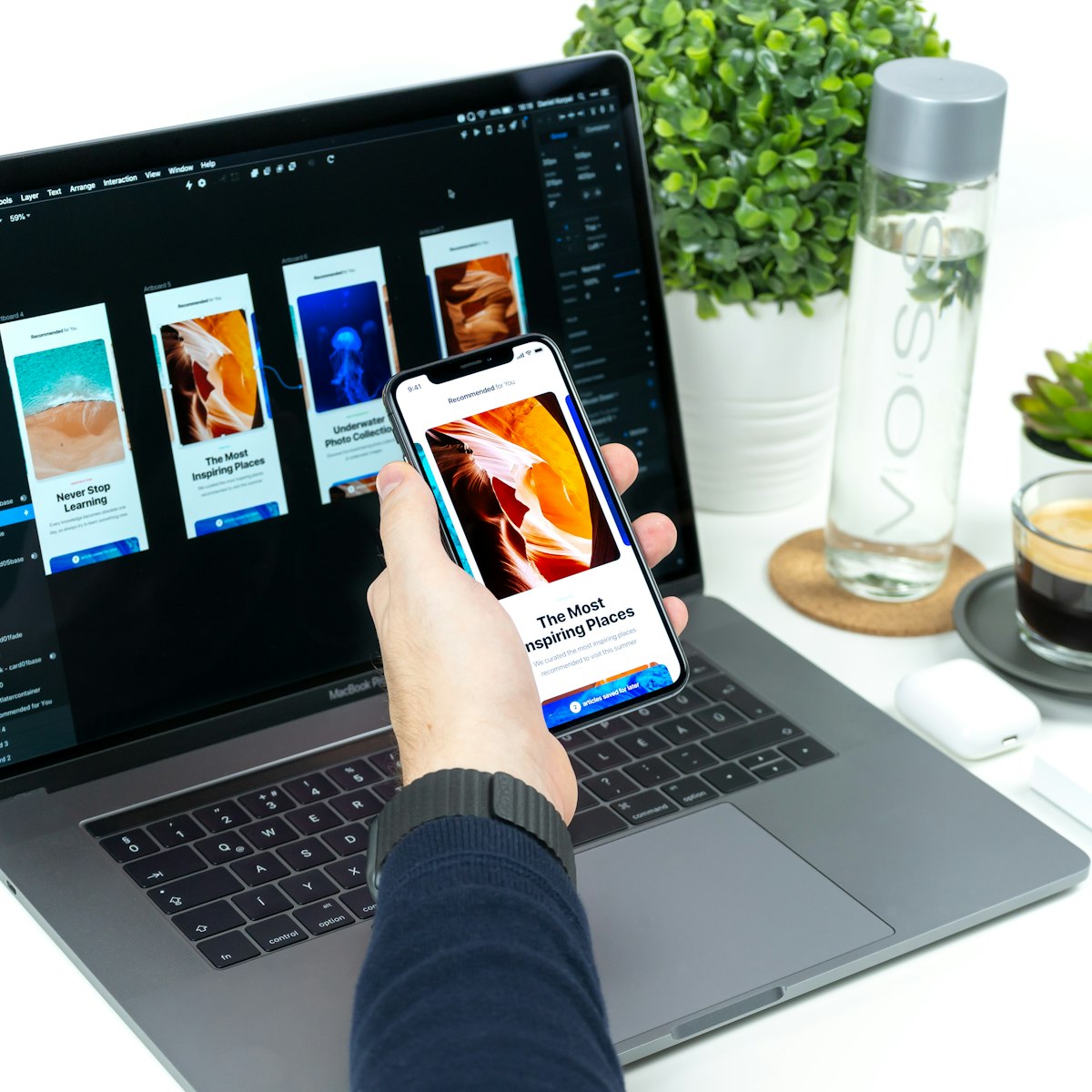
Screenshots are not a portfolio. A grid of pretty images tells me you can make things look nice. It doesn’t tell me whether you can think.
Every project in your portfolio should answer three questions: what was the problem, what did you do, and what happened as a result?
The problem gives context. The process shows your thinking. The result proves you delivered. Without all three, your portfolio is just a gallery.
You don’t need to write a 3,000-word case study for every project. Even two or three sentences of context make a significant difference. "Redesigned the checkout flow, reducing cart abandonment by 22%" is more persuasive than a carousel of screens with no explanation.
Less is more
Five strong projects beat twenty average ones. Curate ruthlessly.
Every project in your portfolio should be one you’re genuinely proud of. If you’re including something because you need to fill space, take it out. A thin portfolio with great work is better than a packed one that dilutes your strongest pieces.
If you’re just starting out and don’t have five strong projects, that’s fine. Show three. Or two. Quality over quantity is not a cliche here. It’s the difference between looking like a professional and looking like you’ll take any job that comes along.
Speak to the client, not the designer
This is the mistake I see most often. Portfolios written for an audience of peers rather than an audience of buyers.
Your potential client doesn’t care about your design tools, your grid system, or your Figma workflow. They care about whether you understand their world and can help their business.

Use language they understand. Talk about business outcomes, not design processes. If you redesigned an e-commerce site, talk about the increase in sales, not the type scale you used.
Your About page should explain who you help and how, not recite your education and software skills.
Make it fast
A portfolio that takes five seconds to load is a portfolio that doesn’t get seen. Especially on mobile.
Optimise your images. Keep your code lean. Don’t load a 4MB hero video that autoplays on every page. Performance is a design decision, and a slow portfolio suggests you’ll build slow websites for your clients.
Aim for a Largest Contentful Paint under 2.5 seconds. Test it. If it’s slow, fix it before worrying about anything else.
Make it easy to get in touch
I’ve seen portfolios where the contact page is buried three levels deep, or the only way to get in touch is a generic contact form with fifteen fields. Make it simple.
Your email address or a short contact form should be accessible from every page. A clear call to action on your case study pages ("Like what you see? Let’s talk.") removes friction between someone being impressed and someone reaching out.
Don’t make people work to hire you.
Navigation should be invisible
If someone has to think about how to use your portfolio, you’ve failed the most basic UX test.
Keep the navigation simple. Projects, About, Contact. That’s the core. Add a blog or services page if you need to. Don’t build a clever navigation that sacrifices usability for creativity.
The same goes for project pages. Don’t make people click through a ten-step slideshow to see your work. Let them scroll. Scrolling is natural. Clicking through paginated images is annoying.
Show range, but stay focused
If you do brand identity, web design, and UX research, show projects that demonstrate each. But don’t try to be everything to everyone.
A portfolio that includes logo design, wedding photography, social media management, and web development says "I’ll do anything for money." A portfolio that shows five web design projects for B2B SaaS companies says "I’m the expert you need."
Specialisation is not limiting. It’s positioning.
Keep it current
If your most recent project is from 2022, your portfolio looks abandoned. If your design style has evolved but your portfolio hasn’t, you’re misrepresenting your current work.
Update your portfolio at least twice a year. Swap out old projects for new ones. Make sure the design of the portfolio itself still reflects your standards.
Your portfolio is a living document. Treat it like one.
The technical details matter
Responsive design, fast load times, clean URLs, proper metadata, alt text on images, working links. These are the basics. If your portfolio doesn’t meet them, you’re telling potential clients that you cut corners on the fundamentals.
If you’re a web designer or developer, your portfolio is the most scrutinised site you’ll ever build. It needs to be impeccable.
What we look for
When a potential client visits our site, we want them to understand three things quickly: what we do, who we do it for, and what it’s like to work with us. The case studies, the testimonials, the process: they all serve that goal.
If you’re building or rebuilding your portfolio and want a second opinion, reach out. Happy to take a look.